
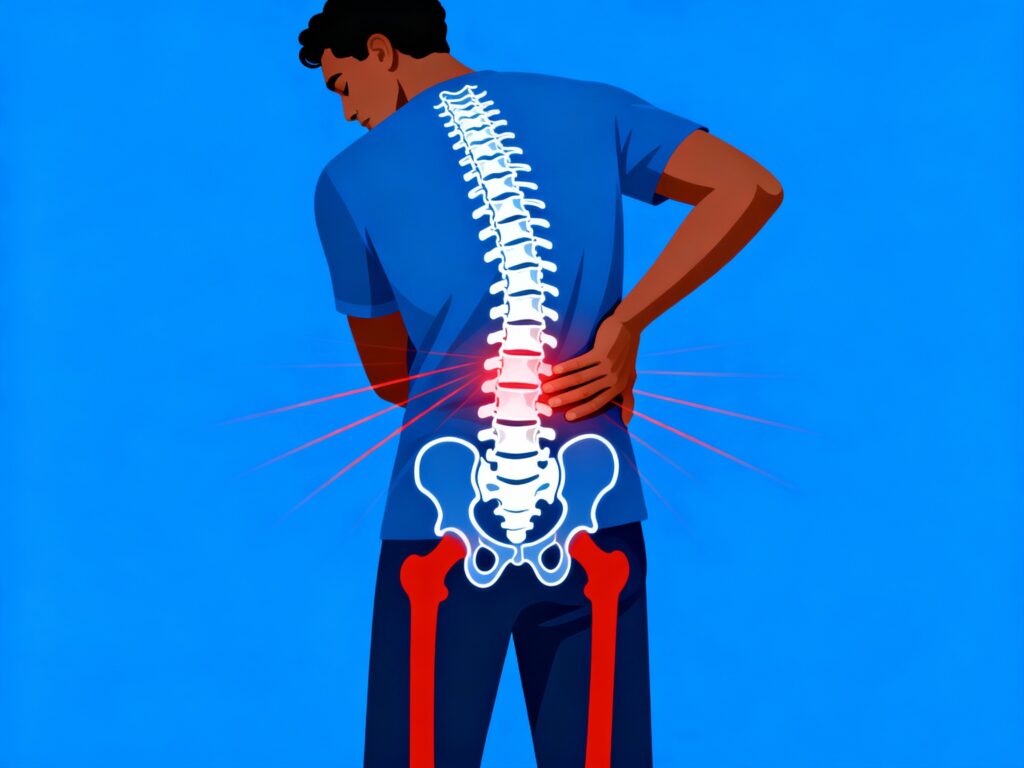
Back pain is a common condition with a wide range of symptoms and causes, affecting people of all ages. It can result from muscle strain, spinal issues like bulging or ruptured discs, arthritis, osteoporosis, or other medical and lifestyle factors. Understanding the symptoms and causes is key to managing and treating back pain effectively.
TL;DR
Back pain often originates from muscle or ligament strain, disc problems, arthritis, or bone conditions like osteoporosis. Symptoms vary from localized aching to sharp or radiating pain, sometimes accompanied by numbness or weakness. Causes include poor posture, injury, aging, excessive weight, and some diseases. Treatment depends on the root cause and may involve rest, physical therapy, medication, or surgery.
Introduction
Back pain is one of the most frequent reasons people seek medical care and can range from mild discomfort to severe, debilitating pain. It may arise suddenly or gradually and affect the upper, middle, or lower back. Because many structures in the back can be sources of pain—such as muscles, ligaments, discs, bones, nerves, and internal organs—accurate diagnosis and appropriate treatment are essential.
Symptoms of Back Pain
Symptoms of back pain can include:
- Localized aching or stiffness anywhere along the spine.
- Sharp, shooting, or burning pain that may radiate down the legs (sciatica).
- Muscle spasms or tightness.
- Limited flexibility or range of motion.
- Numbness, tingling, or weakness in the arms or legs if nerves are involved.
Pain intensity can fluctuate and may worsen with certain movements or prolonged positions such as sitting or standing.
Common Causes of Back Pain
Several factors contribute to back pain, including:
- Muscle or ligament strain: Often caused by heavy lifting, sudden awkward movements, or repetitive stress, leading to painful muscle spasms and tightness.
- Bulging or herniated discs: Discs cushion vertebrae but can bulge or rupture, pressing on nerves and causing nerve-related pain and sciatica.
- Arthritis: Osteoarthritis can affect spinal joints, and spinal stenosis—narrowing of spaces around the spinal cord—can cause pain and nerve compression.
- Osteoporosis: Weak, brittle bones may fracture vertebrae leading to acute back pain.
- Ankylosing spondylitis: An inflammatory spinal arthritis leading to fusion of bones and reduced spine flexibility.
- Poor posture and prolonged sitting: Can cause muscle imbalances and stress.
- Excess weight: Adds pressure to the spine and muscles.
- Psychological factors: Stress, anxiety, and depression can increase muscle tension and perception of pain.
- Other causes like infections, kidney stones, pregnancy, and certain cancers may also present with back pain.
When to See a Doctor
Back pain usually improves on its own with rest and self-care, but medical attention is warranted if:
- Pain persists beyond a few weeks or is severe.
- There is numbness, weakness, or loss of bladder/bowel control (signs of nerve damage).
- Pain follows a significant injury or trauma.
- Associated with unexplained weight loss, fever, or other systemic symptoms.
Book Your Consultation Now in ojasphysiotherapy Hospital in Dubai
Conclusion
Back pain is a multifaceted condition with numerous potential causes and symptoms. Identifying the underlying cause is important for effective treatment, ranging from conservative measures like physical therapy and lifestyle changes to medical interventions in severe cases. Maintaining a healthy weight, regular exercise, good posture, and avoiding injury can help prevent many types of back pain.