
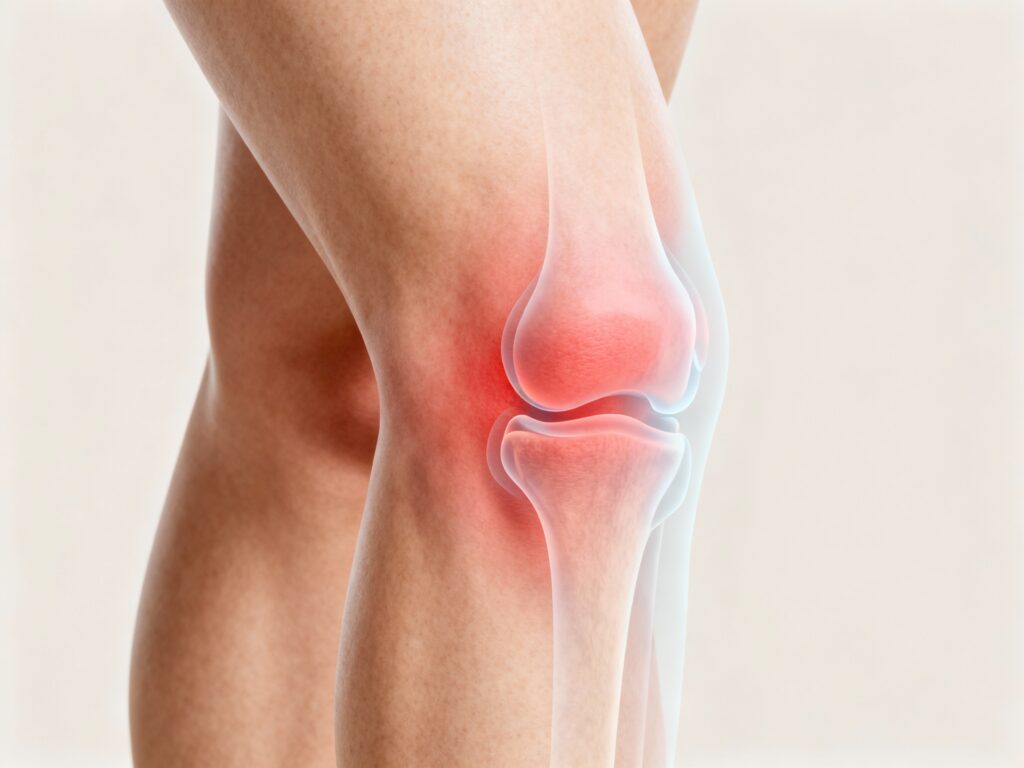
Knee pain is a common condition that impacts people of all ages and backgrounds. It can significantly affect quality of life by limiting mobility and interfering with daily activities, exercise, or sports. Understanding the symptoms, causes, and available treatments is essential to managing knee pain effectively and preventing further complications.
Symptoms of Knee Pain
Knee pain may present in several different ways depending on its source. Typical symptoms include:
- An aching or sharp pain in or around the knee joint
- Swelling and stiffness that make movement difficult
- Redness or warmth in the knee area, indicating possible inflammation
- Instability, with the knee sometimes “giving way” during standing or walking
- Popping, crunching, or other unusual noises when moving the knee
- Difficulty fully bending or straightening the leg
- General weakness in the knee or surrounding muscles
These symptoms may occur suddenly after an injury or build up gradually over time. Paying attention to how and when they arise helps doctors diagnose the underlying cause.
Common Causes of Knee Pain
The reasons behind knee pain are diverse. They fall into three main categories:
| Injury-related | Medical Conditions | Lifestyle/Other Factors |
| Ligament sprains or tears | Osteoarthritis | Overuse and repetitive strain |
| Meniscus tears | Rheumatoid arthritis | Sedentary lifestyle |
| Fractures | Gout | Obesity (extra stress on joints) |
| Dislocations | Infections | Poor footwear or posture |
| Tendonitis and bursitis | Tendon tears | Physically demanding work |
Acute injuries such as sprains, tears, or fractures are frequent in athletes, while chronic wear-and-tear or inflammatory conditions often cause pain in older adults. Poor lifestyle habits, excessive weight, and unsupportive shoes can also contribute to knee discomfort.
Treatment Options
Prompt and appropriate treatment is important for optimal recovery. Key treatments include:
- RICE Therapy: Rest, Ice, Compression, and Elevation reduce swelling and discomfort, especially after acute injuries.
- Medications: Over-the-counter pain relievers such as acetaminophen or NSAIDs help manage pain and inflammation. Severe cases might require corticosteroid injections.
- Physical Therapy: Tailored exercises improve knee strength, flexibility, and stability. Guided rehabilitation is crucial for recovery from injury or surgery.
- Braces and Supports: Devices provide stability and reduce strain on injured joints. Your doctor or therapist will recommend the right style.
- Supplements: Glucosamine, chondroitin, and others may benefit joint health, although results are mixed and should be discussed with a healthcare provider.
- Injections: Hyaluronic acid or platelet-rich plasma (PRP) injections can lubricate joints and promote healing for select conditions.
- Surgery: For severe ligament or meniscus injuries, advanced arthritis, or structural deformities, surgical intervention may be necessary.
- Lifestyle Modifications: Managing weight, switching to low-impact activities, and choosing supportive footwear reduce knee stress.
- Alternative Therapies: Some find relief with yoga, acupuncture, massage, or topical treatments.
Table: Quick Guide to Knee Pain
| Cause | Typical Symptoms | Recommended Treatment |
| Ligament injury | Sharp pain, swelling, instability | RICE, brace, orthopedic consult |
| Osteoarthritis | Achy pain, stiffness, crepitus | Medication, physical therapy |
| Meniscus tear | Clicking, locking, pain | Rest, therapy, possible surgery |
| Patellofemoral pain | Front pain, worse on stairs | Quad strengthening exercises |
Knee pain requires careful attention and sometimes professional guidance. Mild pain often improves with self-care and therapy, but persistent, severe, or worsening symptoms—especially with swelling or an inability to bear weight—should always be evaluated by a healthcare provider. Early intervention can lead to better outcomes, quicker recovery, and prevent long-term issues. With proper management, most people can return to their regular activities, stronger and pain-free.
For specialised knee pain relief and physiotherapy solutions in Dubai, explore the advanced care available at Dubai’s Leading Physiotherapy Clinic . Their experienced team provides personalized treatments designed to restore comfort, strength, and mobility so you can get back to living life with confidence.